Tracing Progressive Jackpot Triggers in Blackjack Side Games and Their Statistical Distribution Across Global Digital Casino Networks
David Flores · Oct 19, 2026
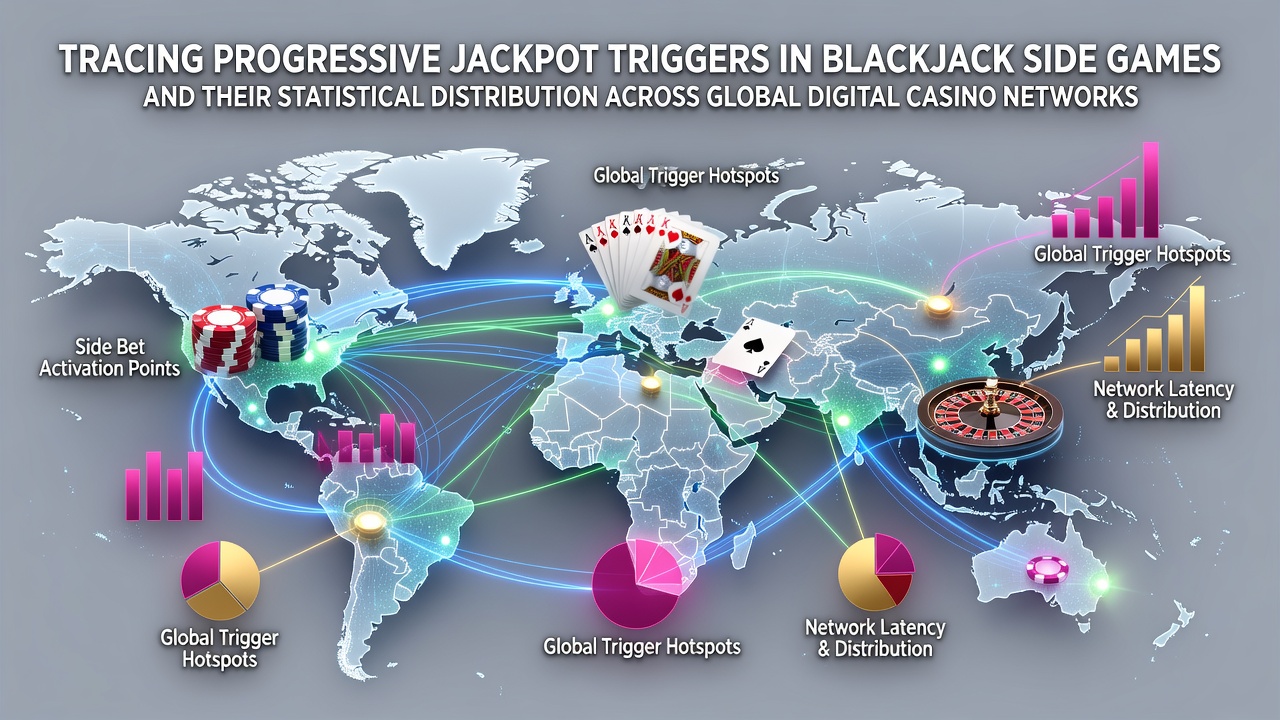
Tracing Progressive Jackpot Triggers in Blackjack Side Games and Their Statistical Distribution Across Global Digital Casino Networks
Progressive jackpot triggers in blackjack side games activate when players land specific combinations such as suited aces paired with a side wager, and these events draw from pooled contributions that span multiple digital networks rather than single tables. The mechanism relies on centralized servers that monitor every qualifying bet in real time, incrementing the prize pool by a fixed percentage of each wager while broadcasting the current total to connected sites.
Mechanics Behind Trigger Events
Side games attached to standard blackjack tables introduce separate betting circles where participants place additional stakes on outcomes like perfect pairs or 21+3 combinations, and the progressive element escalates only after a defined sequence registers on the random number generator. Network operators program the trigger threshold to require exact card ranks and suits, which ensures that activation remains rare enough to sustain player interest yet frequent enough to maintain visible growth in the displayed jackpot figure.
Statistical Frameworks Used for Distribution Tracking
Analysts apply Poisson distributions to model the frequency of jackpot activations because the events occur independently across thousands of daily sessions, and variance calculations reveal how regional player volumes influence overall trigger rates. Data aggregated from global platforms shows that European networks experience slightly higher activation densities during evening hours compared with North American servers, a pattern attributed to differing peak login times rather than algorithmic bias.
Researchers at the University of Nevada Reno have compiled multi-year datasets that map trigger occurrences against total side bet volume, and their findings indicate consistent clustering around major holidays when traffic spikes occur. These clusters follow power-law distributions in jackpot size growth, meaning larger pools attract proportionally more participants until a trigger resets the cycle.
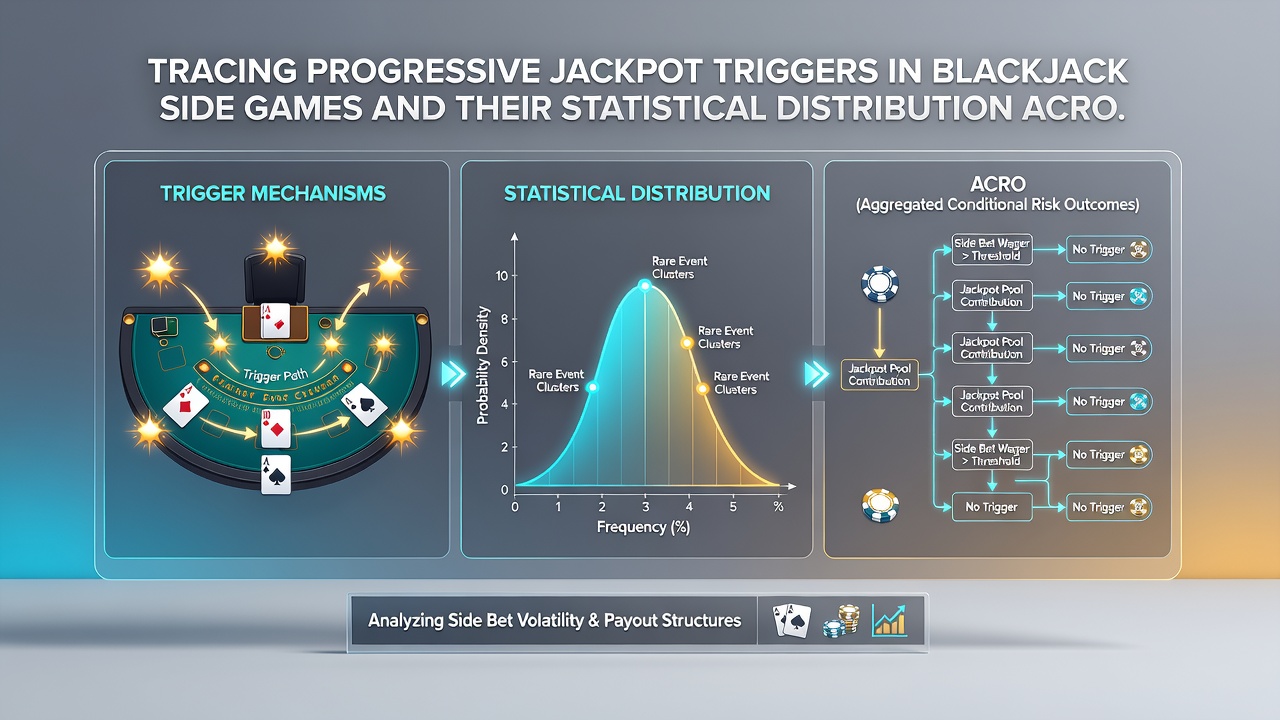
Regional Patterns Observed in October 2026
Figures released by the Alcohol and Gaming Commission of Ontario for October 2026 recorded 142 progressive activations tied to blackjack side games across licensed digital platforms, and these events distributed across a total side bet handle exceeding 840 million CAD. The same period saw Australian networks report 97 triggers under oversight from the Australian Communications and Media Authority, with average payout sizes differing by roughly 18 percent between the two jurisdictions due to currency conversion and contribution rates.
Cross-border operators maintain mirrored databases that synchronize trigger logs every 30 seconds, which allows statisticians to detect anomalies such as sudden spikes that might indicate software drift or regional regulatory adjustments. One study published through the International Gaming Institute tracked 2.3 million side game rounds and confirmed that trigger probability stabilizes at 0.00047 when contribution rates remain between 1.2 and 1.8 percent of each wager.
Network Architecture and Data Aggregation
Global digital casino networks segment progressive pools into tiers that include local, regional, and worldwide levels, and each tier draws from distinct contribution streams while sharing the same underlying random number generator seed protocols. This layered structure produces statistical distributions where worldwide jackpots exhibit lower variance but longer intervals between triggers compared with localized pools that reset more frequently.
Engineers monitor latency between casino front-ends and the central jackpot controller because delays beyond 150 milliseconds can distort real-time display accuracy, and such discrepancies appear in fewer than 0.3 percent of sessions according to internal operator reports. Those who manage these systems note that blockchain-based audit trails are increasingly adopted to verify that every side bet contribution reaches the correct pool without duplication or omission.
Conclusion
Tracing progressive jackpot triggers requires continuous synchronization of card outcomes, wager percentages, and regional traffic data across interconnected platforms, and the resulting statistical distributions reflect both technical design choices and player behavior patterns. Continued collection of activation logs from diverse regulatory environments supplies the raw material for refined models that predict pool growth and reset intervals with increasing precision.